Torticollis in Babies (Neck Wryness) and Physiotherapy Solutions: Symptoms, Causes, Exercises, and Treatment
If you have noticed that your baby constantly turns their head to the same side, stands with a tilt towards one shoulder, or is only comfortable on one side while breastfeeding, one of the first questions coming to your mind might be: “What is torticollis (neck wryness) in babies and how does it pass?” Torticollis is a condition frequently seen especially in the first months, and quite good results can often be obtained with the right guidance. However, not every neck wryness is a “simple muscle shortness”; sometimes different causes (such as vision-related problems, neurological conditions, or trauma) can manifest with similar symptoms.
In this article, we will discuss in detail what torticollis is, symptoms of neck wryness in babies, causes of congenital muscular torticollis, and most importantly, how the torticollis physiotherapy process progresses. Additionally, you will find answers to topics parents search for the most, such as torticollis exercises, positioning suggestions for daily life, and the question of when to consult a doctor/specialist along with “red flags.”
Medical warning: This content is for informational purposes. A pediatric pediatrician and/or pediatric physiotherapist assessment is recommended before starting exercise/positioning practices for your baby.
What is Torticollis? How Does Neck Wryness Appear in Babies?
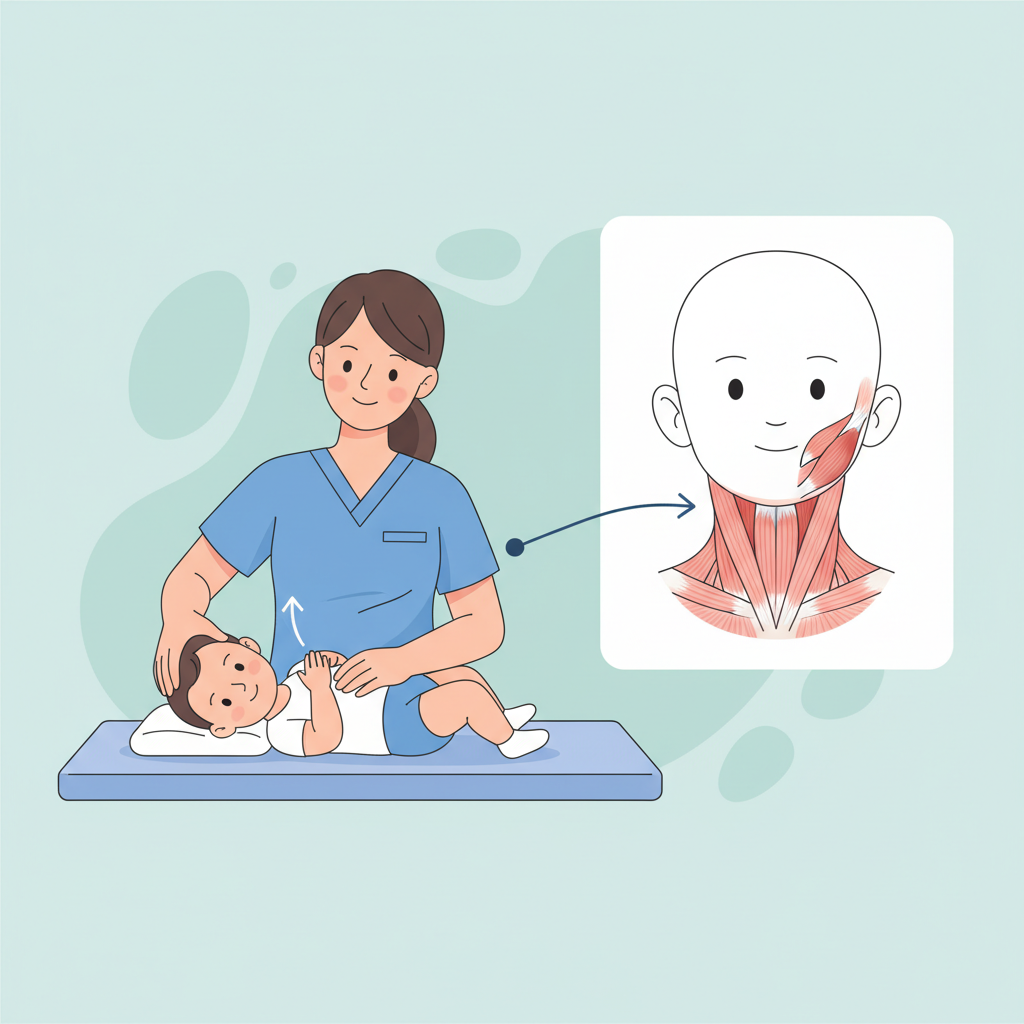
Torticollis is a posture problem characterized by the head tilting to one side (lateral flexion) and usually the chin turning to the opposite side. The most common type seen in babies is congenital muscular torticollis. In this case, shortness/tightness is generally observed in the sternocleidomastoid (SCM) muscle on the side of the neck, accompanied by a limitation in movement.
Neck wryness (torticollis) in babies is often noticed in the following ways:
- The baby’s head constantly appears tilted to the same side in photos.
- Your baby has difficulty turning their face to one side or always looks in the same direction.
- They appear more comfortable in a single position when being carried.
- They may be more peaceful at one breast and restless at the other during breastfeeding.
- Over time, head shape deformity (plagiocephaly) or facial asymmetry may develop.
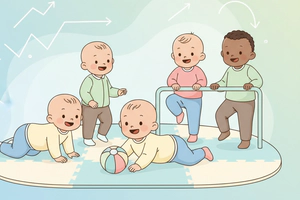
An important point: Torticollis may not be limited only to the “neck.” When babies always turn their heads in the same direction, delays can be seen in trunk rotation, shoulder-hip alignment asymmetry, and motor development milestones (e.g., rolling over, bringing hands together at the midline). Therefore, recognizing it early and guiding it correctly is the strongest answer to the question how to cure baby neck wryness: early intervention.
Symptoms and Causes of Neck Wryness in Babies (Including Congenital Muscular Torticollis)
Common symptoms (mini checklist)
If you see several of the following findings together, an evaluation for torticollis in babies may be beneficial:
- Head tilting constantly to the same side
- Chin usually turned towards the opposite side
- Limitation in head turning movement (difficult to one side, easy to the other)
- Difficulty holding the head in the midline during tummy time
- Asymmetry appearing as using one arm less
- Complaint that the baby always turns their head to the same side
- Flatness on the back of the head (plagiocephaly) or forehead/cheek asymmetry
Why does it happen?
Although the most common cause is congenital muscular torticollis, it is not correct to say “every torticollis is muscle-related.” Possible causes:
1) Congenital muscular torticollis (SCM shortness/tightness)
- Staying in the same position for a long time in the womb (intrauterine position)
- Uterine space constriction, multiple pregnancy
- Strain during the birth process, history of vacuum/forceps (not always a requirement)
- Tightness in the SCM muscle, rarely a feeling of a mass within the muscle (fibromatosis colli)
2) Positional preference (positional torticollis)
Some babies prefer to look to one side out of habit, without pain. This situation can turn into muscle imbalance and posture asymmetry over time.
3) Other causes (that need to be distinguished)
- Ocular torticollis: In cases like eye muscle issues/strabismus, the baby may hold their head tilted to see better.
- Neurological causes (muscle tone differences, asymmetry in reflexes, etc.)
- Acquired torticollis developing after trauma or infection (in older babies/children)
When to consult a doctor/specialist? (Red flags)
If the following are present, a pediatrician assessment is required without delay:
- Neck wryness that starts suddenly and increases rapidly
- Fever, significant restlessness, pain increasing with crying
- History of trauma
- Weakness in arms/legs, significant tone change
- Eye deviation, constant blinking/looking with a head tilt
- Feeding difficulties and problems with weight gain

Torticollis Physiotherapy Process: Assessment, Treatment Plan, and Home Program
One of the topics parents are most curious about is the question “What will be done when we go to the session?”. The torticollis physiotherapy approach does not consist solely of stretching the muscle; the goal is to support the baby’s symmetrical movement, midline control, and motor development skills.
What is examined in the first assessment?
A pediatric physiotherapist usually looks at the following headings:
- Head-neck posture: Which side does the head tilt to, which direction is the chin turned?
- Range of Motion (ROM): Head rotation to right/left, side bending, degree of limitation.
- Muscle balance: Tightness/weakness in SCM and surrounding muscles.
- Motor development milestones: Age-appropriate rolling, prone head control, hand use in midline.
- Head shape and asymmetry: Signs of plagiocephaly.
- Referral to a physician if necessary: ocular/neurological suspicion, hip evaluation, etc.
To better understand the motor development aspect, this content may be helpful: 0-12 Month Baby Motor Development Stages and Supportive Games
How is the treatment planned?
The plan is personalized according to the baby’s age, degree of limitation, accompanying head shape deformity, and the family’s capacity to apply it at home. In general physiotherapy:
- Gentle stretching and mobilization (according to the baby’s tolerance)
- Strengthening aimed at activating the opposite side (via play, tracking)
- Midline and symmetry work
- Positioning education (carrying, play direction, tummy time plan)
- Family education and home program (the most critical part)
In some babies, there may be situations where a neurodevelopmental approach (posture control, movement quality) is important. At this point, this content can also broaden your horizon: What is Bobath Therapy (NDT) and Which Children is it Applied To?
Session frequency and recovery time
There is no single answer to the question “In how many months does torticollis pass?”. In cases starting in the early period (especially within the first 3 months) where a regular home program is applied, recovery can be faster. In later applications or if significant limitation/plagiocephaly accompanies, the process may be prolonged. Your physiotherapist usually re-evaluates every 2–4 weeks and updates the home program.
Torticollis Exercises and Positioning in Daily Life: A Safe and Effective Approach
This section offers a guiding framework for parents looking for “torticollis exercises”. However, every baby is different; therefore, consider the following as general principles and definitely adapt them according to your specialist’s recommendations.
1) Safe stretching principles (general)
- Stretching should be gentle; stop at signs of stress such as the baby crying, breathing changes, or face reddening.
- Trying to “force open” is not correct.
- Short and frequent repetitions are tolerated better by most babies.
- Doing stretching immediately after feeding may increase reflux/restlessness.
2) Strengthening and supporting symmetry with play
The practical answer to the question how is baby neck wryness corrected?: It is ensuring the baby turns their head to the correct direction not by “force” but by interest.
- Tracking the baby towards the restricted side with a sound toy/light
- Starting with short durations in the prone position (tummy time) and gradually increasing the time
- Carrying variations where the “weaker” side will work more while holding the baby in your arms (with physiotherapist demonstration)
3) Why is Tummy Time so important?
Tummy time supports the balanced working of neck, back, and shoulder girdle muscles. It also reduces the effects of torticollis by developing the baby’s ability to hold their head in the midline. If your baby does not like being on their tummy:
- Start with mini sets of 30–60 seconds in the first days
- Try more comfortable variations like prone on your chest (contact with parent)
- Use a firm cushion/activity mat instead of the floor
4) Daily life tips (positioning)
- Arrange the toy/light source in the baby’s bed to be on the restricted side (without compromising sleep safety; do not put extra pillows/toys in the bed).
- Use both sides balanced during breastfeeding/bottle feeding; change the hold if necessary.
- Long periods in the same direction in a car seat/stroller can increase asymmetry; change position at appropriate intervals.
The topic of early intervention and correct guidance is even more important especially in risky babies: What is a Risky Baby? Why Does Early Intervention Save Lives?
5) “Does torticollis go away on its own?”
Some mild positional preferences may decrease over time; however, if there is significant head tilt, movement limitation, plagiocephaly, or asymmetry in motor development, the “let’s wait and see” approach is often not correct. Because as the baby grows, habits can become reinforced and head shape can be affected. The safest way is to clarify the source of the situation with an early evaluation.
Torticollis Treatment in the area: What to Look for When Choosing a Clinic?
In big big cities, families searching for “torticollis treatment” usually aim to find a fast and reliable roadmap. The following points will be useful for choosing the right center/specialist:
- Pediatric experience: The approach of a pediatric physiotherapist working with babies is different from adult orthopedic approaches.
- Assessment-focused plan: Instead of “same exercise for everyone,” ROM, posture, motor development, and head shape assessment should be done.
- Home program education: Home application is as important as the session; a clear, applicable, and safe program should be given to the family.
- Tracking and measurement: Doing re-measurements and goal updates at certain intervals makes progress visible.
- Necessary referrals: Making referrals to relevant branches in case of ocular/neurological suspicion is a sign of trust.
If you want a more general guide on the process of choosing the right specialist in the area: How to Choose the Right Pediatric Physiotherapist?
Frequently Asked Questions (FAQ)
Which doctor should be seen for Torticollis?
Generally, the first step is a pediatrician assessment. If deemed necessary, referrals to pediatric orthopedics, pediatric neurology, or ophthalmology (in ocular suspicion) can be made. Physiotherapy assessment is an important part of the treatment plan.
How many times a day should torticollis exercises be done?
This varies according to the baby’s age, degree of limitation, and tolerance. The most correct way is for the pediatric physiotherapist to give a plan specific to you. But the general principle is that “short-frequent and gentle” practices are more sustainable.
Is flat head syndrome (plagiocephaly) related to torticollis?
Yes, it is frequently related. When the baby always turns their head to the same side, the same area is exposed to pressure and head shape can be affected. Therefore, positioning and tummy time play a critical role in torticollis treatment.
Can torticollis in a 6-month-old baby be corrected?
Progress can be achieved in many babies at 6 months and later; however, a longer-term and more planned follow-up is usually required. That is why it is important to get an evaluation without delay.